“Strangers in a new culture see only what they know.”
– www.vanwalt.com
BOLIVIA/UNITED STATES BICULTURAL EXPERIENCE
(with AI generated images) 😱
_________________________________________
The story of immigration to the United States is documented from its origins as a colonial possession of Europeans with interest in financial and territorial gain long after the so called “discovery of the Americas” by wayward sailor, Christopher Columbus.
It is not the purpose of this writer to delve into the genocide of indigenous people, who, thru no fault of their own, perished under plundering hordes of colonizers from feudal European monarchies profiteering from human slavery. This systematic mechanism of oppression, promoting ethnic superiority to this day, continues to filter prejudice and racism into legal governmental frameworks for the enforcement of social order.
According to Google AI, and Census. gov :”immigration to the United States experienced a historic shift between July 2023 and June 2026. With a record high of 2.7 new arrivals in 2024, net international migration dropped significantly. By mid-2025, it fell to 1.3 million. Projections point to a low of roughly 321,000 by 2026. This year, the U.S. will issue up to 140,000 employment-based green cards.
The green card is issued by US government. It is an official permanent residence card in the United States.
Voluntary Cultural Assimilation
“Voluntary assimilation is often the result of pressure from the dominant culture. For example, immigrants may feel pressure to learn dominant language to fit in. It often involves gradual changes in language use, dress, social behavior, and civic participation.” GPT-5
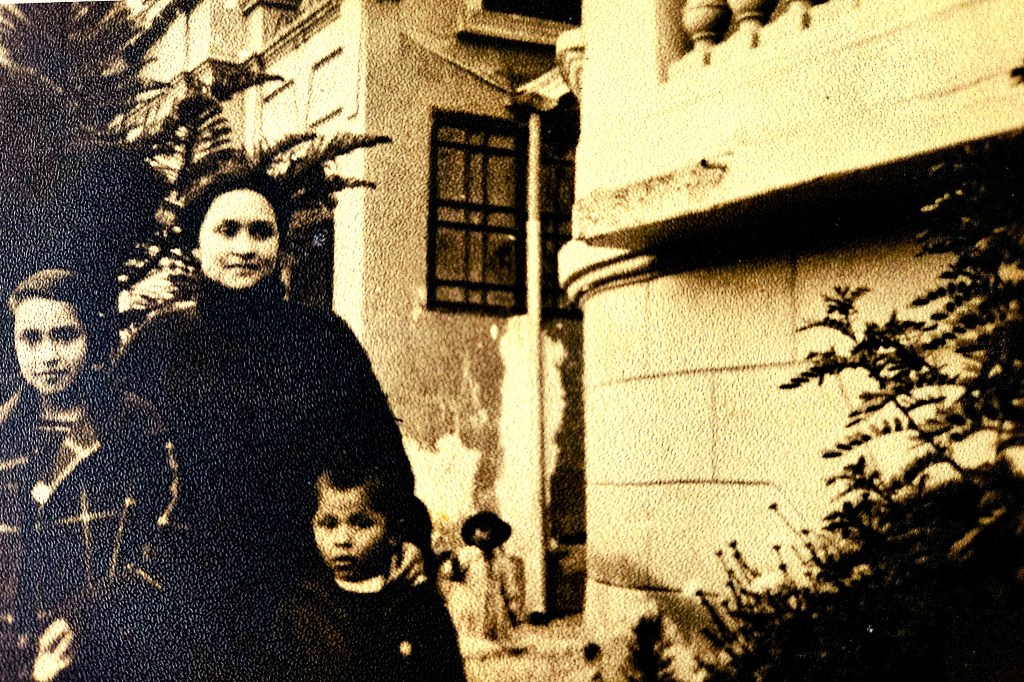
Family photo. Daly City, CA.(1979)
The story of cultural assimilation is personal.
Memories surfacing from the past bring to mind the importance of accepting ourselves as transformative agents of change. Living with dreams and aspirations in a country where multiculturalism embraces political, economic, and social awareness, language acquisition is the determinant factor in the development of a bilingual identity.
Language acquisition requires interaction. Every human being is born with a genetic ability to produce sounds and link them to concepts associated to the understanding of our place in the world. We begin to recognize ourselves as interdependent parts of a complex global and ecological web, fundamentally redefining human belonging and responsibility.
It is the collective ideal to seek knowledge through language. There are over 7,000 languages spoken in the world today. According to Ethnologue: “…[languages] are living and dynamic, used by communities whose lives are shaped by our rapidly changing world. This is a fragile time: Roughly 44% of all languages are now endangered, often with fewer than 1000 users remaining.” Ethnologue 200 publishes a list of the largest languages in the world: “Over 88% use one of these languages as their native tongue, and many hundreds of millions more use them as second languages.
I grew up in a compartmentalized world with stories told by religions and philosophies embracing cult-like bombastic personalities using spiritual seduction for financial profit.
Hunger and poverty was witnessed every day without fail in the neighborhood of Sopocachi Bajo in the City of La Paz, Bolivia where my family home stood in sharp contrast to single room dwellings of the working class dependant on day-to-day economic subsistence wages.
“Bolivia’s economy in the 1950’s was characterized by severe underdevelopment, reliance on volatile tin exports, unequal land distribution, and significant inflation, leading to widespread social unrest culminating in the 1952 National Revolution.” -Google AI Overview
Club de Tenis in Calacoto Municipality in La Paz, Bolivia. Tennis Club, La Paz, Bolivia, circa 1952.
National Revolution. La Paz, Bolivia, 1952
Social inequality in Bolivia marked the need for change. in 1952, the hardest of all political insurrections manifested “The Bolivian National Revolution”.
“The 1952 Bolivian Revolution was a popular insurrection led by the National Revolutionary Movement (MNR), overthrowing oligarchical system of governance composed of land owners, industrialists, and mine owners in order to establish a new form of government, closer to the ideals of a populist democracy. Key outcomes included nationalization of tin mines, universal suffrage extended to women and indigenous peoples, and significant land reform measures drafted into constitutional law. The revolution lasted for twelve years, transforming Bolivian society, incorporating marginalized groups and dismantling the power of the old elite.” Google AI Overview
Cerro Rico, Departamento de Potosí, Bolivia.
The mining industry brought Bolivia into global economics. Raw materials like silver, gold, tin, lithium and other rare earth elements: lanthanum, neodymium, cerium, scandium, atrium and europium transformed Bolivia into a mining boom dating back to when Bolivia was Simon Bolivar’s “hija predilecta”/ “favorite daughter”, last of South American Republics was liberated from Spanish colonial domination in 1825.
45,000 tonnes of silver was extracted during the Spanish Colonial period alone (1556-1783). To the present (2026), it is estimated 60,000 and 90,000 tonnes was extracted from Cerro Rico throughout history. “Why the uncertainty? The Spanish mining system was corrupt, and rampant theft, smuggling, and lost records make an exact figure impossible to determine.” www.rockngem.com.
Life Story
Archival photo
Mi padre a los seis años de edad. La Paz, Bolivia. (1925)/ My father at six years of age.
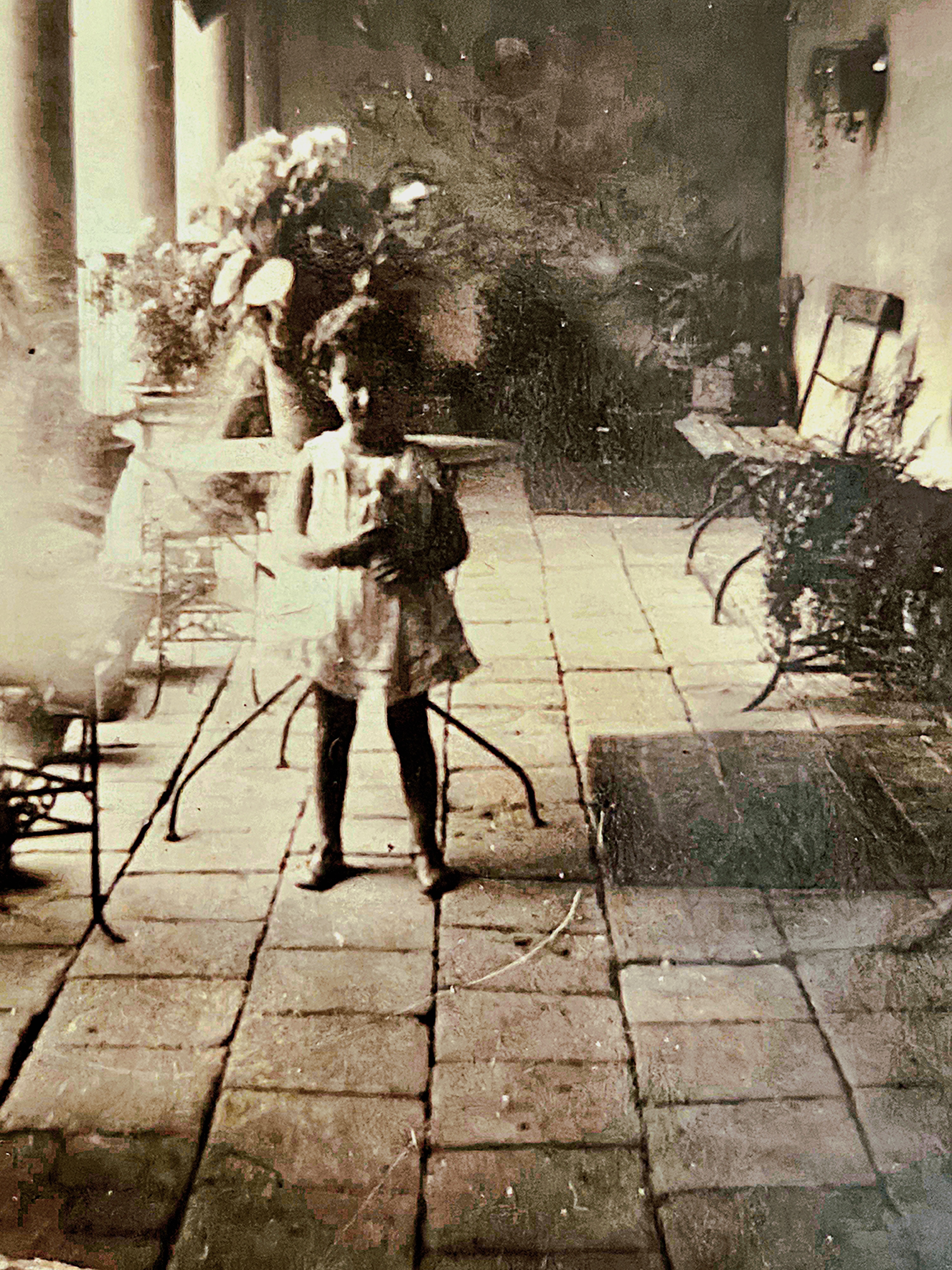
Foto de mi madre a sus cuatro años de edad. Sucre, Bolivia. (1929)/ Photo of my mother at the age of four.
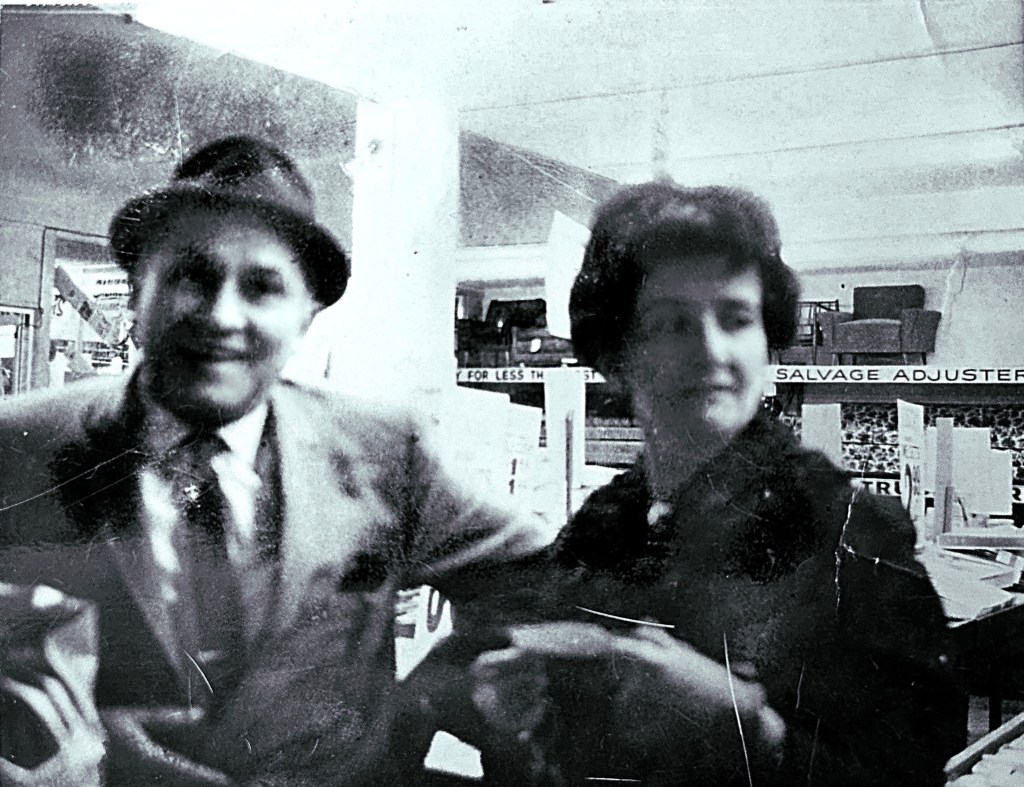
My parents. San Francisco, California. (1965)/ Mis Padres.
The night we left our home in La Paz, top glass panel of a vertical triptich window was shattered by the blunt force of a red, black and white Duncan, Coca-Cola yo-yo. Glass shards scattered everywhere.
Standing by the staircase leading to the second floor with my left arm fully extended, white cotton string dangling freely from tight knot wrapped around my middle finger, Duncan Coca-Cola yo-yo flew out of my hand right thru top glass panel into the rarefied evening air of La Paz. The only witness to the unfortunate accident was my aunt Kitty, my mother’s sister, non-chalantly saying after a long, agonizing pause: “Es hora de ir” / “It’s time to go”.
Suitcases were packed and loaded and placed in the trunk of her Opel station wagon in route to her home where we rested for the night. Next day, we boarded a Douglas DC-6 four propeller airplane and headed to the US.
Coup d’état
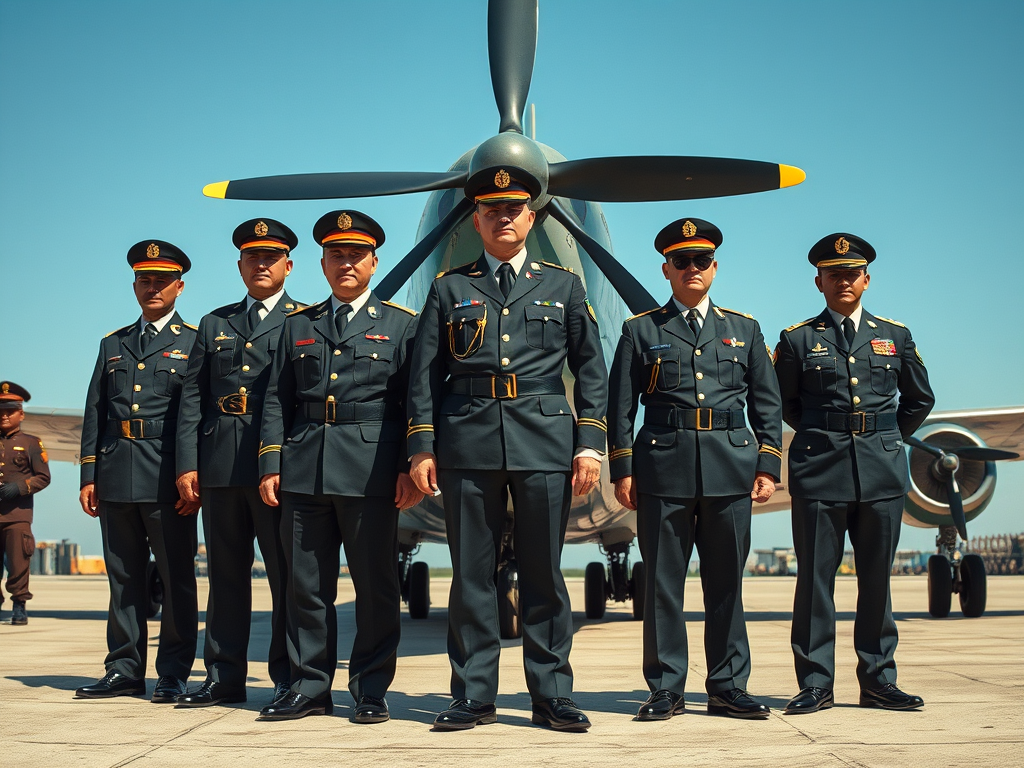
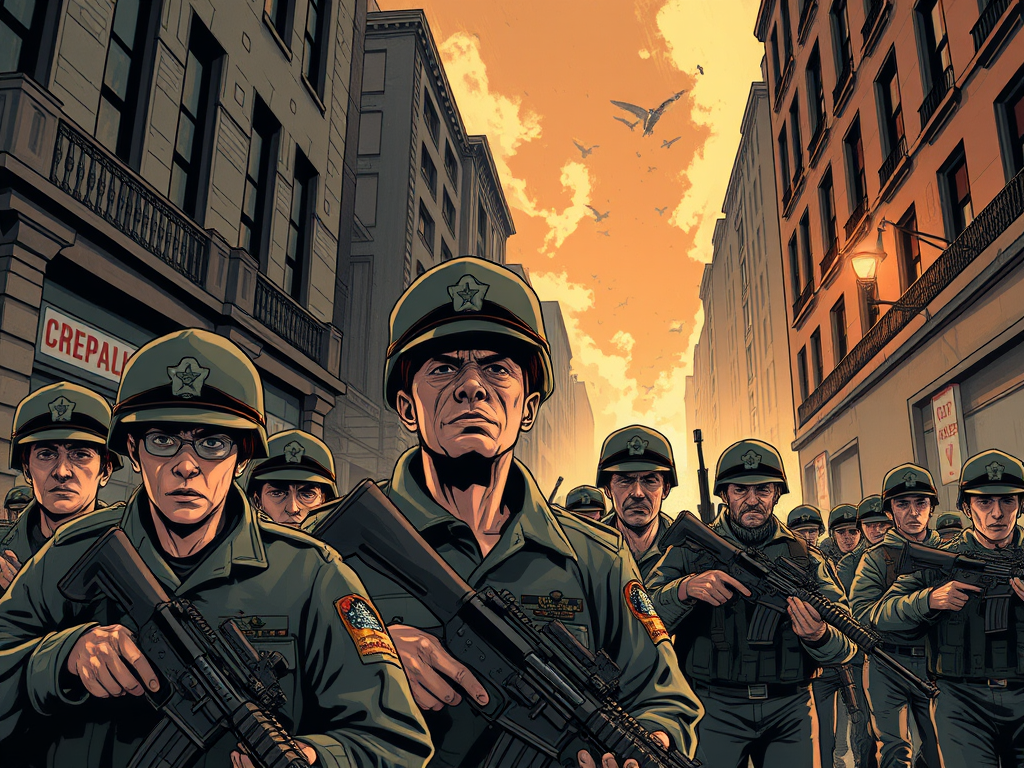
On November the fourth 1964, Bolivia’s military junta launched an effective coup against the government of president Victor Paz Estenssoro, who was summarily escorted to El Alto Airport in La Paz at gunpoint. Show of force was executed and planned in advance, securing political control through fear and intimidation.
The same day, in a separate event, P-51 Mustang fighter planes made a low pass over our home, strafing machine gun fire in the direction of nearby Laicakota, a small mountain in La Paz where garrisons of “milicianos”/ militiamen hid from the army and police.
Radio announced de facto military junta was in charge following orders from above.
From the beginning of the Cold War (1953), the Central Intelligence Agency of the United States (CIA), trained and educated military officers to overthrow Bolivia’s democratically elected civilian president in 1964. The number of coups, coup d’etats, and revolutions Bolivia has experienced in 200 years since it’s creation (1825) is an unphanthomable 190 in total.
US Monroe Doctrine
American foreign policy towards Latin America dates back to 1823 beginning with The Monroe Doctrine. Articulating strategic US responsibilities to free the Western Hemisphere from European colonial influence, asserting control over political affairs of evolving democracies in Latin America.
Andrew Jackson, seventh US President “viewed the Americas as a target for US territorial ambitions, particularly in regions that could be used for the expansion of slavery.” – Google AI Overview.
In 1847, with James Polk as president, war against Mexico (Mexican-American War), takeover of California, Nevada, Utah, New Mexico, most of Arizona and Colorado for $15 million ceded territory with the signing of the Guadalupe Hidalgo Treaty.
In the 20th Century, a belligerent form of foreign policy under President Theodore Roosevelt amended the Monroe Doctrine to fit new strategic advantage in focus.
The Roosevelt Corollary (1904) made it possible for the US to militarily interfere in the politics of Latin American countries directly with boots on the ground. US business interests had to be protected even if it meant going to war. Nicaragua, Haiti and the Dominican Republic were invaded 1912, 1915, and 1916, respectively.
A far cry from the initial practice of isolationism, first practiced by George Washington who believed his newly created country should not meddle in the affairs of Europeans with colonial interests, not just in North America but also in Central and South America.
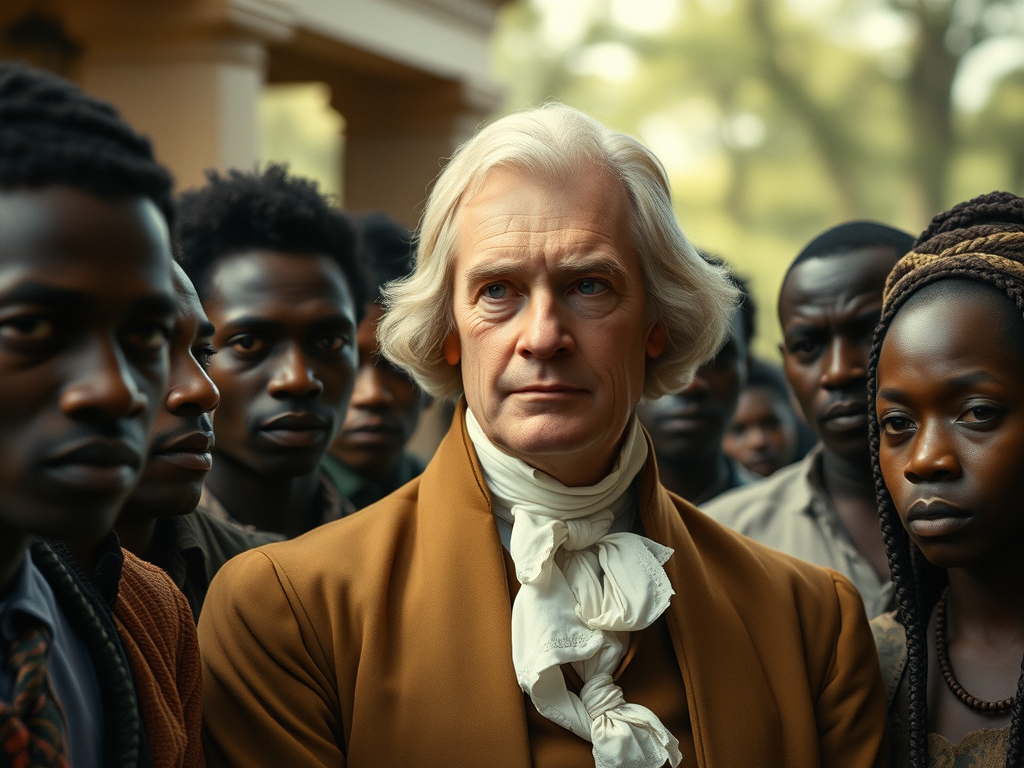
President Thomas Jefferson (1801-1809) lifelong slave owner, advanced the concept of covert military action necessary to circumvent foreign threats or invasions jeopardizing US interests. Over time, US presidents established rhetorical ideas of turning Latin America into their own backyard.
Ownership of slaves may correspond directly to policies and decisions made by US Presidents, with the exception of 2nd President, John Adams (1797-1801) and 6th President, John Quincy Adams: “…the only two presidents among the first twelve [that] did not own enslaved people.” -Google AI Overview.
Preferential Treatment
Time frame of events leading to our departure from Bolivia were quick and to the point. No one was safe from prosecution. All mediums of communication: newspapers, radio stations, and police were under military control. The entire ex-cabinet of Victor Paz was either exiled or incarcerated.
Our Home in La Paz
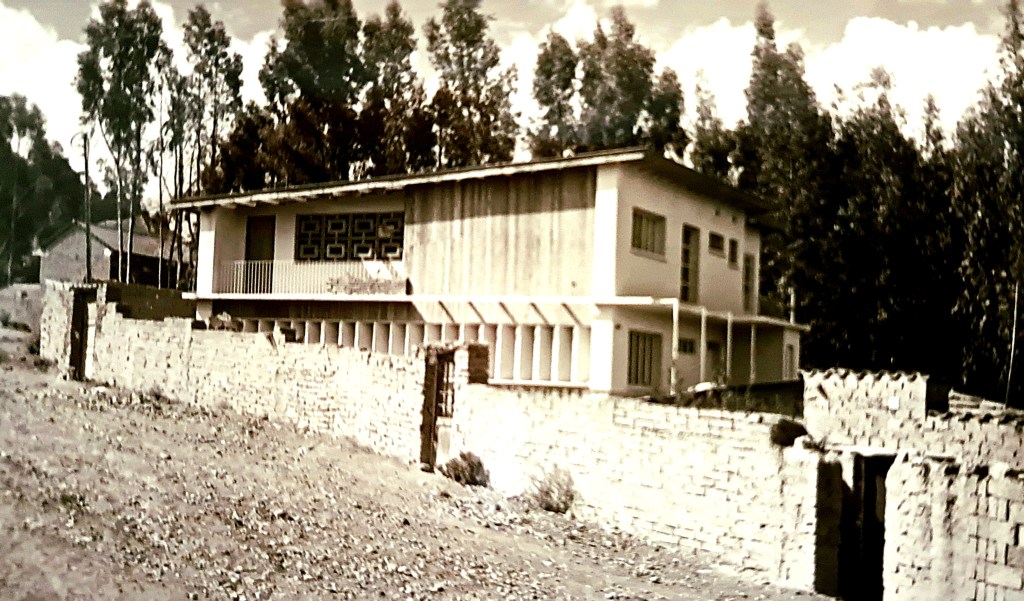
My father built our home in La Paz in 1954. It was a modern style, two story home, inspired by the architecture of Frank Lloyd Wright. The house faced the Illimani, 21,102 ft. mountain located on the Cordillera Real of the Andes at the eastern edge of the Altiplano of La Paz. To stabilize the design, iron railroad tracks were used in a poured concrete foundation. Greatest of all was the roof design harnessing energy from the sun through a thick, layered surface, made of poured cement with a deep cover of black tar to capture radiation from the sun in the high altitude of La Paz: 11,975 ft. above sea level. The house was always warm at night.
Mi padre con mi hermana. 1960
La Paz, Bolivia.
El Prado in La Paz, 1965
Eucalyptus forest bordering our home in La Paz.
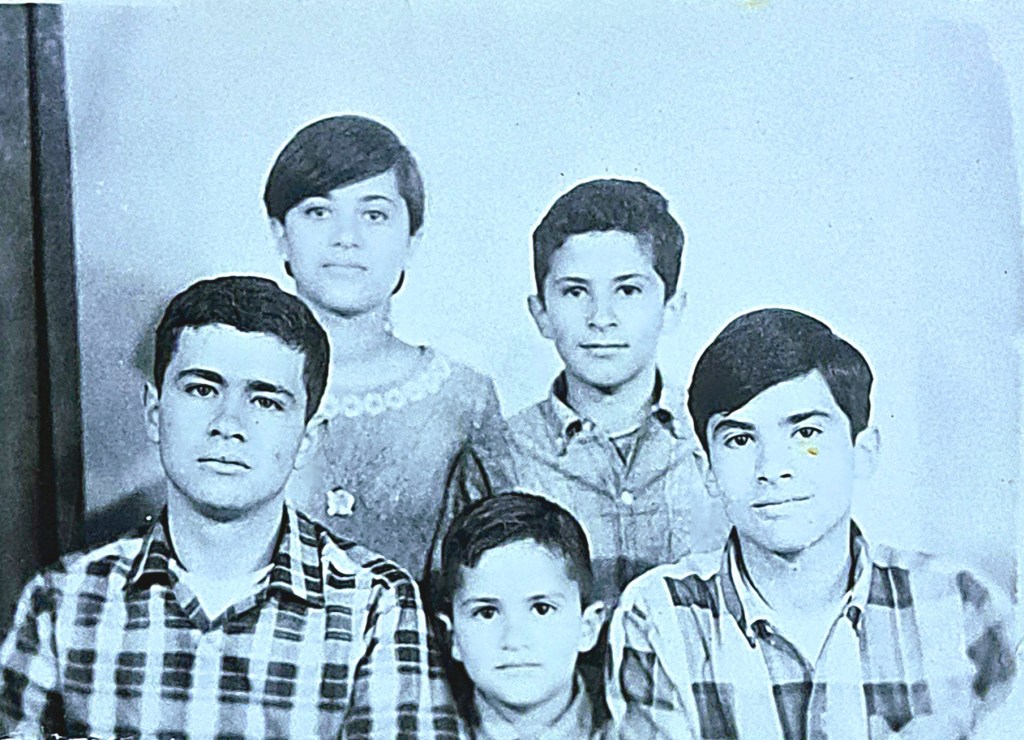
In preparation for leaving La Paz, passport picture was taken of my brothers and sister in 1965.
San Francisco, California
San Francisco, California, 1965
Political environment experienced in Bolivia, prior to my family’s arrival in San Francisco, will hopefully serve as a template for understanding emotional and psychological factors influencing cultural assimilation to the United States. The behavior of a dysfunctional government, guided by repressive policies to eliminate political opposition through fear and intimidation is perplexing.
Truth or Fiction?
Survival instincts surface in an attempt to rationalize complex situations.
In 1962, my sister and I had our tonsils removed (tonsillectomy) the same day at Clinica Alemana/German Clinic in La Paz. I was six years old, my sister was ten. A well-known and respected doctor selected my sister to be first on the operating table. A couple of hours later, she was back in bed under the effect of anesthesia.
I wènt next carried on a stretcher down a narrow corridor to the operating room where the anesthesiologist asked to count backwards from one hundred. Lights went out when I got to ninety-eight.
After the operation, I remember waking up in a room screaming. A week later, a sepsis infection began to develop followed by hallucinations of becoming overwhelmed by a pulsating beam of light, suspended in air, in an out-of-the-body experience. I would wake up in the middle of the night with Superman flying above with a big yellow “S” on his chest.
Throbbing, pulsating light hallucinations lasted over a week. They started as a dot of light that gradually expanded into an out of the body experience.
“…[S]epsis infection commonly causes hallucinations, primarily through a condition called Sepsis-Associated Delirium (SAD), a severe confusion and altered mental state from the body’s overwhelming response to infection, leading to dream-like states, vivid hallucinations (visual/auditory), paranoia, and profound cognitive issues like memory loss, which can occur during the illness and persist long after. This brain dysfunction results from neuroinflammation, disrupted blood flow, and metabolic changes, making hallucinations a key indicator of serious brain involvement in sepsis, requiring prompt medical attention.” – Google AI Overview.
,
A family doctor made a home visit to confirm, in disbelief, that my tonsils had not been removed. One of them exhibited multiple surgical blade cuts.
When faced with accusations of malpractice, the doctor that performed the tonsillectomy admitted having panicked in the operating room when the anesthesiologist noticed oxygen supply would not last thru the operation. In the process of bringing me back to consciousness, my heart stopped. They took turns slapping my back with wet rags to help restore my heartbeat. When that was achieved, they shuffled me back upstairs as if nothing happened.
An unthinkable and incomprehensible criminal decision was reached between my father and the negligent doctor. It was agreed that the same doctor would operate on me again under the supervision of three other doctors.
“Every man is the child of his own deeds.”
– Miguel de Cervantes Saavedra
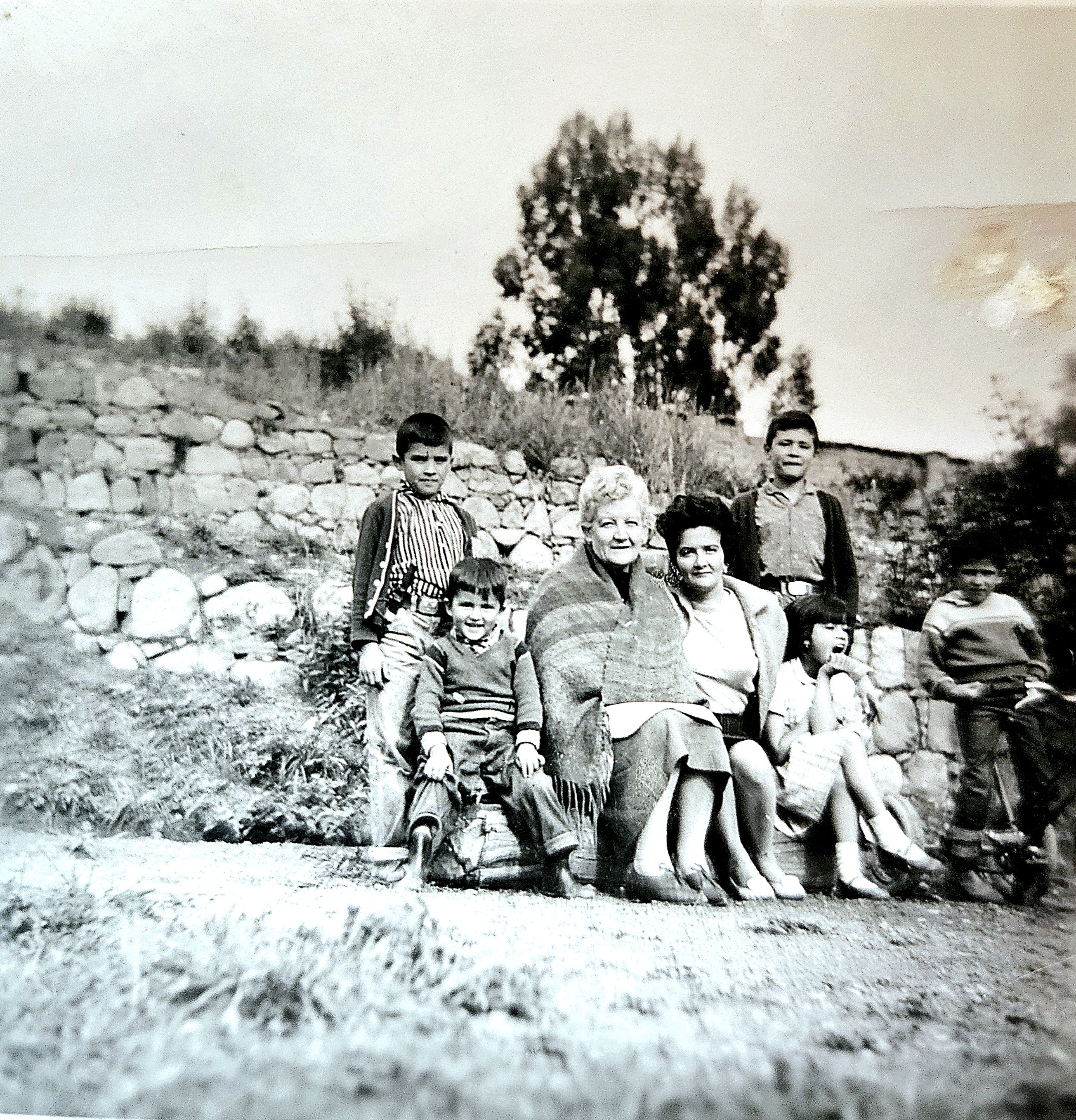
1961 Family photo with “abuelita”, my mother’s mother. Photographed by my father.
EPILOG: Boots on the ground.
As soon as we arrived in San Francisco with suitcases to unload, we ran up the stairs of our new home on Cabrillo Avenue to watch anything on TV. We didn’t have TV in Bolivia. It didn’t exist. First program we watched was “Lost in Space,” on CBS. It was about a family from planet Earth traveling in a spaceship thàt was lost in space. We wrapped ourselves around a black and white TV asking our dad to translate since he was the only English speaker in the family. “¡Traduce por favor, papá! Please translate!”
A few months later on a sunny afternoon, I walked a block away from home to Golden Gate Park on Fulton Avenue in an area where tall trees reminded me of a Eucalyptus forrest back home in La Paz. where we built forts with fallen branches imagining living on our own.
Making my way thru a thicket of ground cover, I walked into a gigantic meadow with meticulously cut grass as far as the eye can see. Less than a foot away, along the perimeter of the lawn, I spotted what I thought was a marshmallow. It was white with hundreds of dimples on the surface. I picked it up and put it in my pocket for safe keeping. What a find!
As I conttinued my walkwhen someone coming in my direction was screaming at the top of his lungs to put it down, waving a stick over his head. I threw the rock deep into the woods and took off running under a canopy of tall Eucalyptus trees. He yelled: “NOT THERE!!!” He must have seen me throw the rock further away from what turned out to be the fairway of a golf course in Golden Gate Park. Months went by without saying a word about to anyone. I found out perfect white rock was a golf ball shanked out of play by the angry man⛳